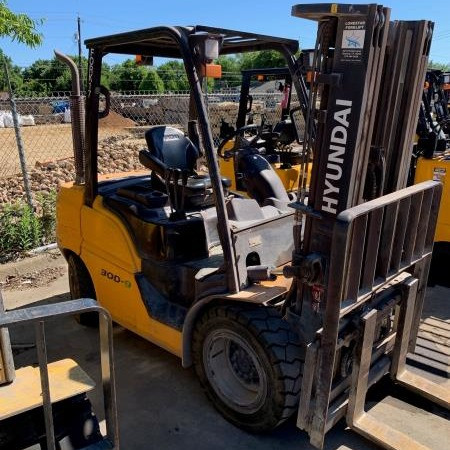
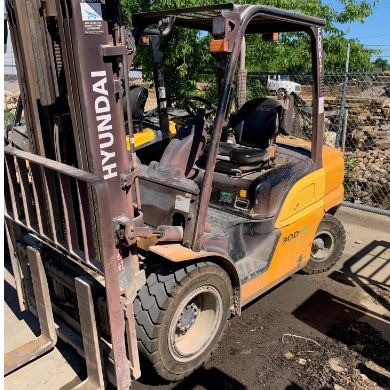
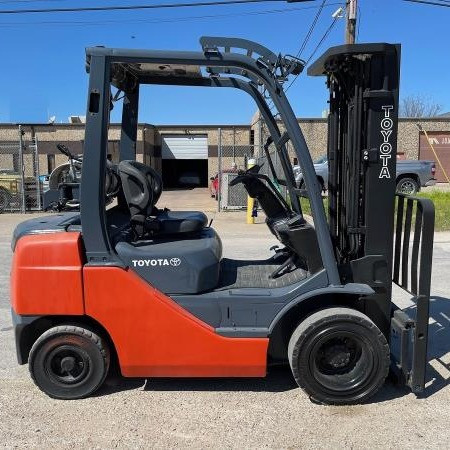
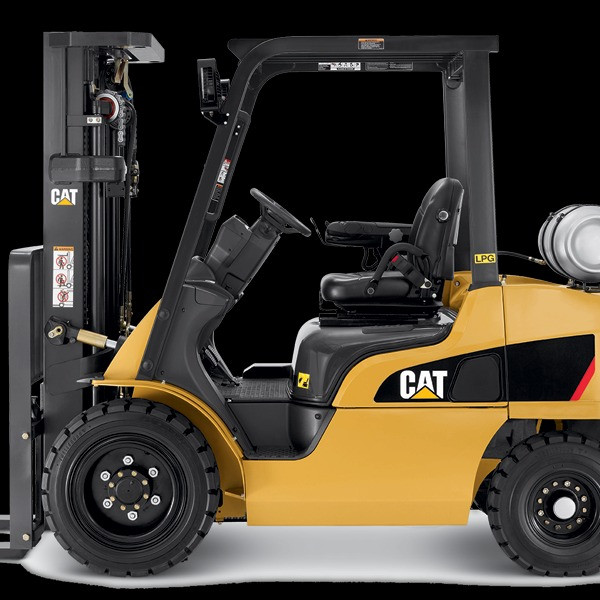
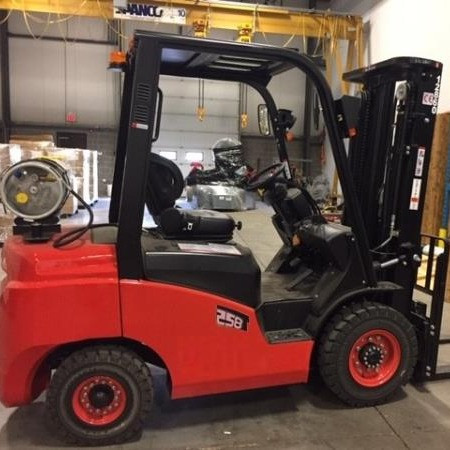
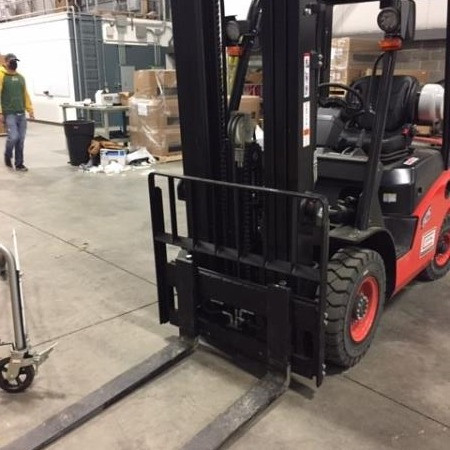
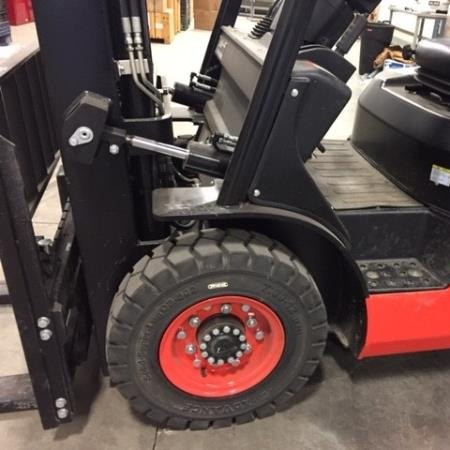
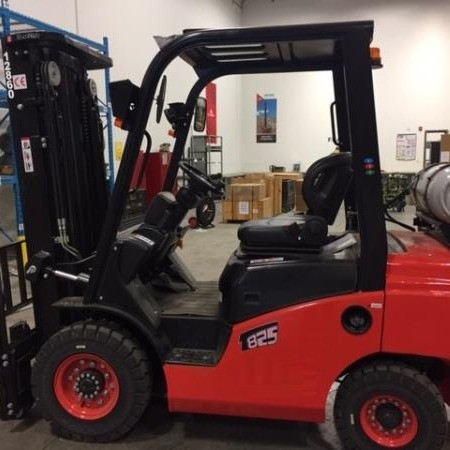
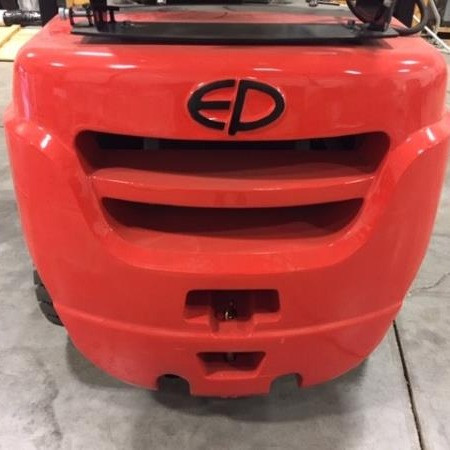
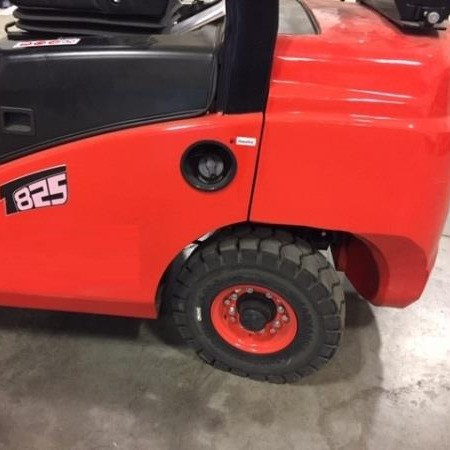
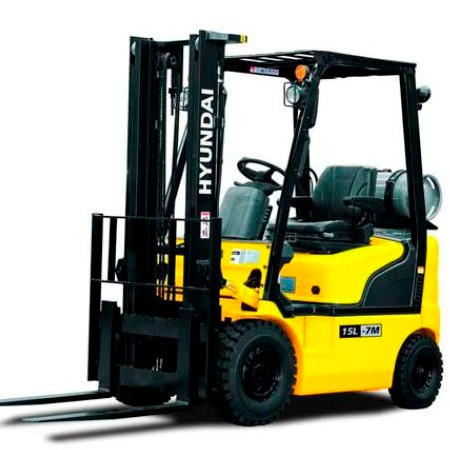
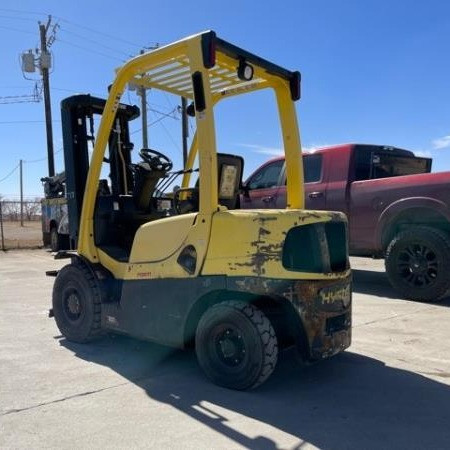
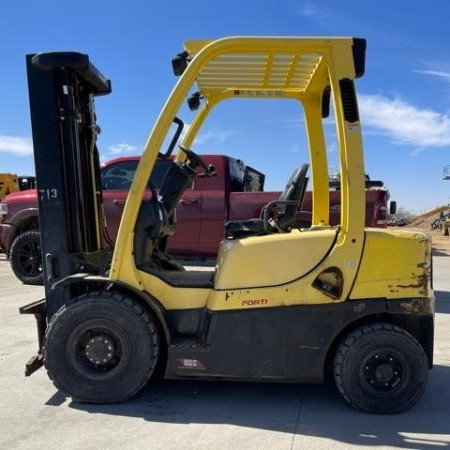
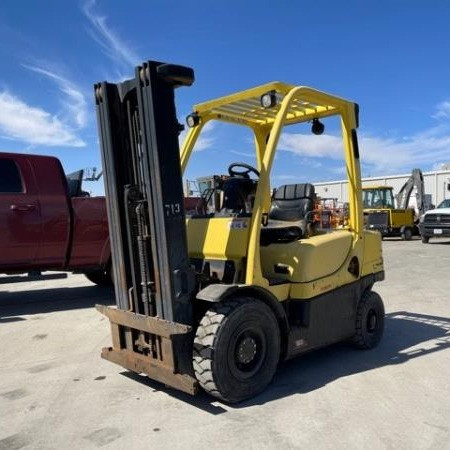
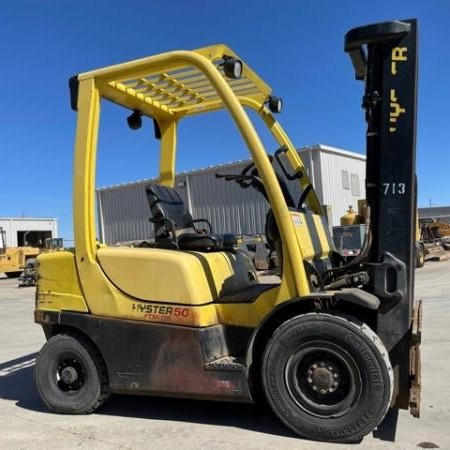
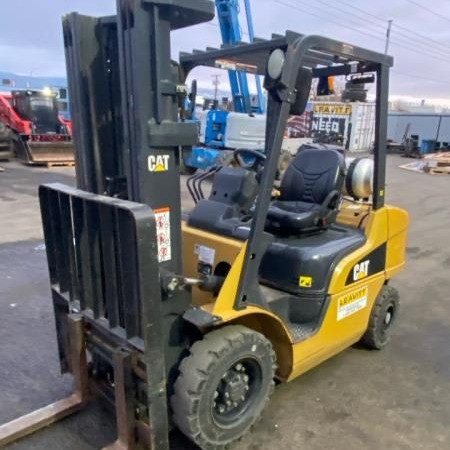
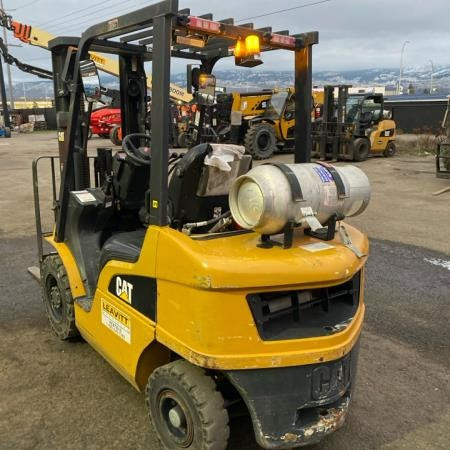
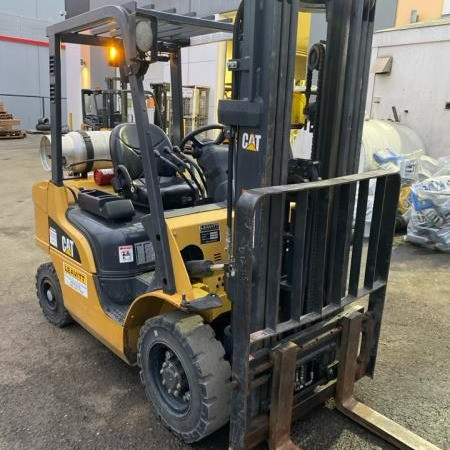
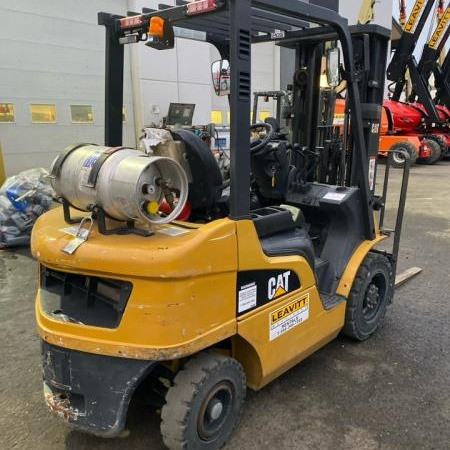
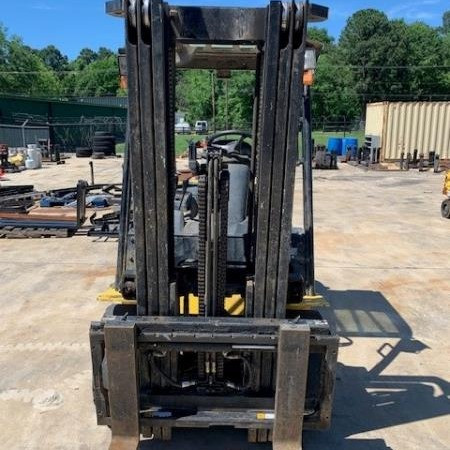
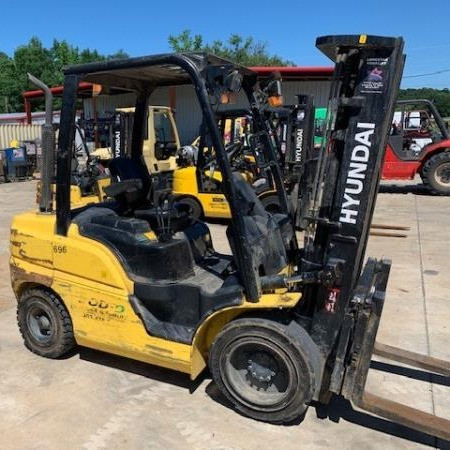
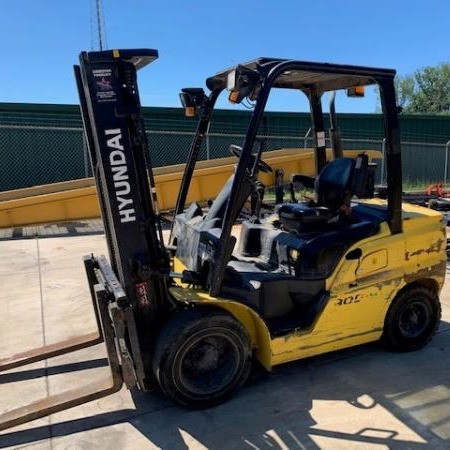
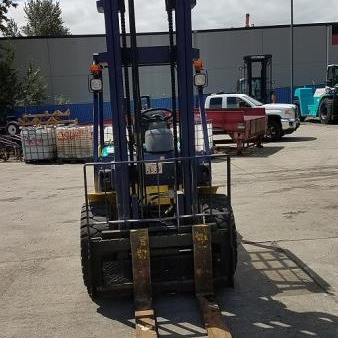
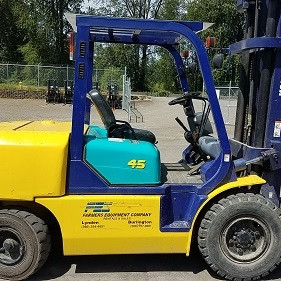
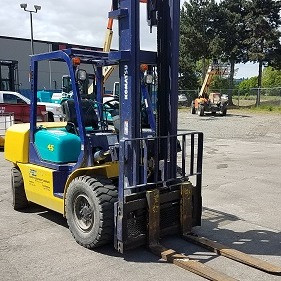
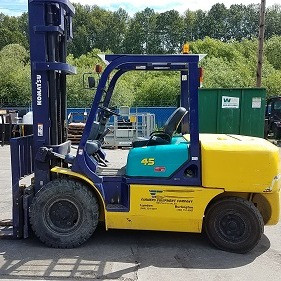
Used Pneumatic Tire Forklift Santa Rosa - Pneumatic tires feature corded fabric or plies that are coated with rubber to maintain air pressure. There are bias ply tires that feature overlaid plies at a specific angle. Standard tires are commonly used on exterior forklifts that need to traverse difficult terrain. Plies situated at ninety degrees to the tire body or casing are found on radial tires. There are numerous forklift tire options suited for different models. Pneumatic and polyurethane and solid are the three main types of forklift tires. The particular working environment determines the particular kind of forklift tires needed. Having adequate performance and safety tires are essential to facilitate the job that needs to be done.
Exterior forklifts often rely on pneumatic tires for traversing difficult terrain including difficult terrain on construction sites. Pneumatic models are made from strong rubber and then filled with air. Tractors and other industrial equipment often rely on pneumatic tires. Pneumatic tires create a cushion of air between the forklift and the ground, creating a comfortable ride for the operator while tremendously lessening the wear and tear on the machine. Significant treads create traction to allow the machine to traverse uneven and rough surfaces.
Solid Tires
Solid tires are excellent for indoor facilities and industrial outdoor jobs. These tires stop blowouts since they are made from solid rubber and act similar to pneumatic tires when they are punctured. There is no cushion-like effect since the tires are not filled with air. Rough terrain areas cannot rely on these tires. Some models of solid tires are manufactured with holes in the sidewalls to offer a softer ride. One of the main problems with this type of tire construction is that it offers less capacity for forklift load carrying.
Polyurethane Tires
These tires will generally outlast both of the rubber designs but are strictly designed for indoor warehouse use. Compared to rubber tires, polyurethane models provide a higher load capacity. In order to compensate for the additional battery weight, electric forklifts rely on polyurethane tires. The extended battery life is another benefit thanks to the lower rolling resistance offered by this specific tire.
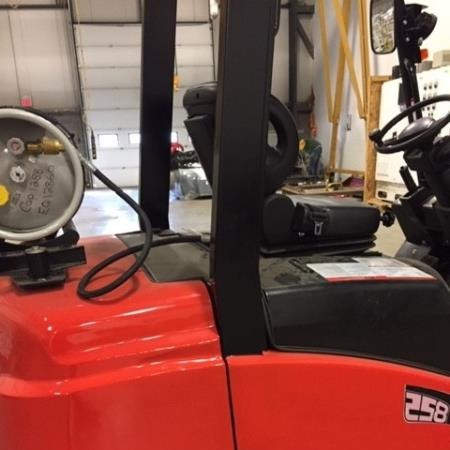
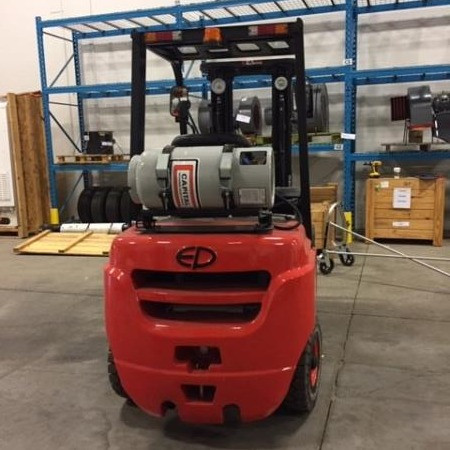
There are numerous power sources for forklifts. They can use gas, diesel, battery power, LP gas or liquid propane. Since it is a clean-burning fuel, LP is preferred for many applications. Some locations that keep generous liquid propane storage on hand require a forklift for continuous refueling. Other facilities have spare LP cylinders to facilitate changing out during refueling. Of course, specific precautions need to be taken while the LP cylinder is being changed. For protection, goggles, heavy gloves and safety glasses need to be worn. Before the tank is changed out, the ignition needs to be shut off. The cylinder valve can be opened and closed by turning or loosening by hand. It is important to never use any wrenches or tools for connections that are supposed to be opened and closed by hand. Don’t forget the valve will turn in the opposite direction of a normal connection. Once the restraining straps have been removed from the cylinder it can be lifted away from the bracket and the empty cylinder can be switched out for a full one. Always dispose of the empty cylinder by placing it in the properly designated location.
Remember, full cylinders are heavy. Keep the hose connection to the new tank tightly secured as you attach it by hand. Next, turn the cylinder valve on slowly. Once the valve has been turned on, it is important to listen closely to ensure there is no leak. If a leak is found, turn off the valve right away and double-check all of the hose connections.
Forklifts can be utilized for a variety of applications including interior and exterior situations. They can be used for interior warehouses and rough terrain situations. Warehouse forklift units utilize smooth, flat surfaces. There are many forklift categories; the lower classes are utilized for interior warehouse applications and the higher classes are designated for exterior jobs. Four kinds of warehouse forklifts are available from the seven different forklift classes. Classes 1, 2 and 3 offer electric propulsion and are typically utilized for interior jobs. The classes ranging from 5, 6 and 7 are exterior models that are suitable for working on rough surfaces and towing heavy loads. Class 4 refers to internal combustion models. Class 4 forklifts may be used inside however, they do generate some fumes and need to be used in open-air situations and well-ventilated locations.
There are four subcategories or lift codes that Class 1 forklifts can be further categorized into. The lift codes are 1, 4, 5 and 6. A Code 1 forklift has the operator stand up while the lift codes four through six refer to sit down units. Lift Code 4 forklifts feature three wheels; however, lift Code 5 forklifts stand for cushion tires and lift Code 6 forklifts offer pneumatic tires.
The Class 2 forklifts are the narrow aisle units that are ideal for small spaces and utilize a standing operator. These forklifts are excellent for narrow locations that can’t accommodate a sit-down rider model. Class 3 forklifts or electric models are also ideal for smaller spaces. Class 3 models feature an operator that either stands or walks behind the machine.
Electrical forklifts are preferred in warehouses and indoor applications compared to IC or internal combustion models. Electric forklift models have advantages and disadvantages. They can last longer and are considered more environmental. These units cost less to operate compared to the IC models and offer superior noise reduction. Electric forklifts are more expensive machines and are unable to be utilized in poor weather. For continuous operation, have additional batteries on hand and schedule charging time for every six hours for the best results. There is a perfect forklift unit available for every job. Consider the kind of loads you will need to move, the kind of terrain you will be traversing and whether or not you will be working mainly inside or outside to determine the most suitable forklift model to accommodate your needs.
Pneumatic Tire Forklift PDF